- Plastic Bottle Suppliers in UAE
- info@onyxplastic.com
- 971507597184

Multipurpose HDPE Plastic Bottles and Containers in Kuwait
Packaging requirements can vary significantly between businesses. A manufacturer supplying cleaning liquids may need containers with a practical pouring opening, while a personal care brand may prefer a bottle that is easy to handle and works with its dispensing system. Choosing the right packaging starts with understanding the product and how the container will be used.
Multipurpose HDPE plastic bottles and containers in Kuwait are an option for businesses looking for packaging made from high-density polyethylene. This material is commonly used in rigid packaging because of its useful strength, impact resistance, and moisture-barrier properties. However, the suitability of any particular container depends on its design, material specification, and intended contents. <Cite refs={[“turn192278search0″,”turn192278search3”]}/>
Onyx Plastic offers plastic packaging solutions for business requirements. Companies exploring HDPE packaging can assess bottle shape, capacity, opening style, closure compatibility, and product compatibility before deciding which option fits their operations.
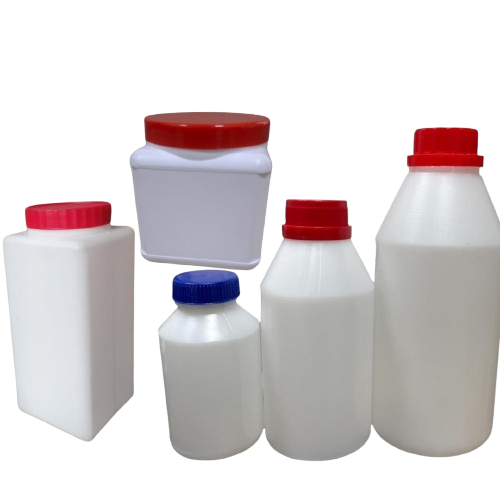
One Material, Different Packaging Purposes
HDPE is used to manufacture a range of bottle and container formats. The appropriate design depends on the amount of product being packed, the way it is dispensed, and the conditions under which it will be stored or transported.
Businesses may explore different HDPE packaging formats for applications such as:
Everyday Liquid Products: Bottles designed for liquid products may need an opening that supports controlled pouring or dispensing.
Cleaning and Maintenance Supplies: Suitable HDPE containers can be considered for selected cleaning formulations after checking material compatibility.
Personal Care Formulations: Certain shampoos, conditioners, and similar products may use HDPE packaging when the container meets the formulation’s requirements.
Commercial Supply Products: Businesses distributing products in larger quantities may need containers that fit their storage, handling, and delivery processes.
Workshop and Industrial Products: Selected industrial liquids may require purpose-designed packaging based on their chemical properties and handling requirements.
These are potential application categories, not a guarantee that every HDPE bottle is appropriate for every product. The exact container specification should be checked before filling.
How to Choose a Bottle Shape That Works
Bottle design affects how a product is filled, carried, poured, and stored. A container that looks suitable on a shelf may not work efficiently with the equipment or dispensing method used by the business.
When comparing multipurpose HDPE bottles and containers, consider the following design details.
Body Shape: A rounded body may be convenient for gripping and pouring, while a more squared profile may suit certain storage arrangements. The final choice should reflect the product’s weight, container dimensions, and handling method.
- Neck and Opening: The opening must work with the filling equipment and the way customers or employees access the contents. Narrow openings may suit controlled dispensing, whereas wider openings can be more practical for some thicker products.
- Base Stability: The base should support the filled container on the intended surface. Consider whether the bottle will stand on production lines, warehouse shelves, workbenches, or retail displays.
Grip and Handling: The overall shape should be practical to hold when the container is empty and filled. For larger formats, assess filled weight and whether additional handling features are needed.
Storage Efficiency: Bottle dimensions can affect how many units fit within available storage and shipping space. Compare the actual measurements rather than relying on capacity alone.
Select the Right Closure for Product Access
The bottle and closure should be evaluated as a complete packaging system. Even when the bottle body is suitable, an unsuitable cap or dispensing component can create problems during filling, storage, and use.
Depending on the bottle design and product, businesses may investigate:
Standard Screw Caps: These may suit products that are poured or accessed by removing the cap. Confirm the thread and dimensions match the selected bottle.
Flip-Top Closures: These can be considered for products that need convenient access during repeated use, provided the closure is compatible with the formulation and intended application.
Dispensing Caps: Certain products may benefit from a closure that helps control the amount released. The opening size and dispensing behaviour should match the product’s consistency.
Specialised Closures: Products with particular safety, transport, or dispensing needs may require a specific closure arrangement. Confirm the available options and their documented performance before ordering.
Not every closure style is available for every bottle. Requirements such as leak resistance, tamper evidence, or child resistance should be specified and verified rather than assumed.
Packaging Options for Different Business Sectors
Businesses in Kuwait may source plastic bottles and containers for a variety of commercial operations. The right format depends on the industry, the product being packed, and the expectations of the end user.
Cleaning Product Suppliers
Suppliers of detergents and selected cleaning liquids may require bottles that are practical to fill, label, store, and dispense. The bottle material and closure must be compatible with the exact cleaning formulation.
Personal Care Businesses
Brands selling shampoos, conditioners, and similar products may consider HDPE containers where the material, appearance, and dispensing design suit the product. Label space and ease of use can also influence the choice.
Industrial Distributors
Businesses supplying maintenance or process-related liquids should prioritise chemical compatibility, container strength, closure performance, and handling requirements. Special transport or regulatory requirements should be reviewed for the specific contents.
Manufacturing Companies
Manufacturers may need a consistent bottle specification across repeated production batches. Documenting the approved model, dimensions, material, and closure can help purchasing teams manage repeat orders more clearly.
Why Review the Complete Packaging System?
A bottle does not operate independently of the other parts of the packaging process. Its performance also depends on the closure, label, filling method, product properties, and conditions of use.
For example, a container intended for a thin liquid may not provide the same dispensing experience for a thicker formulation. A bottle that fits the product may still need a different cap or label to work with the business’s filling and distribution process.
Evaluating the complete packaging system can help businesses identify potential issues before moving into regular production. Where necessary, test samples under realistic filling, storage, and handling conditions, and keep a record of the approved specifications for future orders.
Multipurpose HDPE Packaging from Onyx Plastic
Onyx Plastic provides plastic packaging solutions for businesses reviewing bottles and containers for commercial requirements. If you are sourcing multipurpose HDPE plastic bottles and containers in Kuwait, share the intended product, required capacity, bottle shape, closure preference, and estimated order quantity.
The right choice depends on the formulation and how the package will be filled, stored, and used. Ask about available specifications and confirm material compatibility before approving a bottle for your product. For specialised applications, review any relevant technical documentation and testing requirements before placing a bulk order.
Match HDPE Packaging to the Product Formula
Material selection should be based on the substance that will be packed, not simply on the fact that HDPE is widely used for bottles. Different formulations can interact differently with packaging materials, closures, and seals.
Before selecting a container, review these product-related factors:
Chemical Composition: Identify the main ingredients and request compatibility information for the specific formulation.
Concentration: Some products may behave differently at different concentrations, so this detail should be shared during packaging selection.
Temperature During Filling: Confirm that the bottle is suitable for the actual filling temperature and process.
Storage Duration: Consider how long the product will remain inside the container and the conditions it will experience.
Light Sensitivity: If the product is affected by light, discuss whether the selected container colour and design provide the required protection.
Closure Compatibility: Check that the cap, liner, seal, or dispensing component is appropriate for the product and bottle neck.
Make Labelling and Identification Part of the Plan
A bottle label should help identify the product while remaining suitable for the container’s surface and the conditions in which it will be stored. Label selection is especially important when businesses distribute several products in similar-looking bottles.
Before approving a label, check the available surface area, bottle curvature, label dimensions, and compatibility between the label adhesive and the container. The label should be positioned so it does not interfere with the cap, dispensing opening, or normal handling.
Depending on the product and applicable requirements, the label may need to display the product name, quantity, directions for use, relevant warnings, storage information, batch details, and supplier information.
For industrial or chemical products, accurate identification is particularly important. Businesses should confirm the labelling and hazard communication rules that apply to their specific product and intended market.
Reduce Packaging Selection Errors Before Ordering
A clear specification can help businesses avoid choosing a bottle that does not work with their filling line, closure, or final product. Before requesting a quotation for multipurpose HDPE plastic bottles and containers in Kuwait, prepare the following information.
1. Product Sample or Description
Explain what will be packed and provide relevant product details. For chemical formulations, share the available composition and compatibility information with the packaging supplier.
2. Required Capacity
State the approximate volume or net quantity required per bottle. Also consider the product's density, filled weight, and the dimensions needed for storage.
3. Filling Method
Describe whether filling is performed manually or through equipment. The bottle opening, body shape, and stability should be appropriate for the intended process.
4. Closure Specification
Identify the preferred cap or dispensing method and confirm the matching neck finish. If special sealing performance is required, include that in the specification.
5. Quantity and Order Frequency
Estimate the initial order and expected repeat demand. This helps the supplier understand the volume requirement and discuss available supply arrangements.
6. Storage and Delivery Conditions
Explain how the filled containers will be stored, handled, and transported. Temperature, exposure, stacking, and product compatibility may affect the final packaging choice.
FAQs
1. What does HDPE stand for in plastic bottle packaging?
HDPE stands for high-density polyethylene, a plastic material commonly used to manufacture rigid bottles and containers. Its suitability depends on the specific grade, container design, and intended contents.
2. Which businesses use multipurpose HDPE bottles?
Potential users include cleaning product suppliers, personal care brands, manufacturers, industrial distributors, and other businesses that need compatible bottle packaging for liquids or selected formulations.
3. Can HDPE bottles hold industrial chemicals?
Some HDPE containers are suitable for particular chemicals, but compatibility varies with the chemical, concentration, temperature, and container specification. Verify compatibility for the exact product before use.
4. How do I choose between a narrow-neck and wide-neck bottle?
Consider the product’s consistency, filling method, pouring requirements, and how the contents will be accessed. The opening should suit the process without creating unnecessary handling difficulties.
5. Can I use the same bottle for different formulations?
Only if the container and closure are confirmed suitable for each formulation. Changing the product may change the compatibility, storage, cleaning, or labelling requirements.
6. Are HDPE bottles suitable for food and personal care products?
Some HDPE packaging is designed for these applications, but not every bottle is suitable for food contact or every personal care formulation. Confirm the grade, intended-use documentation, and relevant requirements.
7. Can HDPE bottles be supplied with different cap styles?
Cap options depend on the particular bottle design and supplier range. Confirm the available closures, neck finish, and any specific dispensing or sealing requirements before ordering.
8. What information is needed to request a quotation in Kuwait?
Provide the intended contents, capacity, bottle dimensions or preferred shape, closure requirements, order quantity, and delivery details. Technical information about the product may also be needed to assess compatibility.
Contact Onyx Plastic for Multipurpose HDPE Plastic Bottles and Containers in Kuwait
Looking for bottle packaging for your commercial or industrial products? Contact Onyx Plastic to discuss multipurpose HDPE plastic bottles and containers in Kuwait. Share what you need to pack, the required capacity, preferred bottle design, closure type, and estimated quantity. These details can help establish which packaging options should be considered. Confirm product compatibility, available specifications, and any required technical documentation before approving your order.
Get In Touch
About Us
Onyx Plastic, based in Dubai, specializes in high-quality plastic and glass packaging solutions for industries like pharmaceuticals, food, and cosmetics. We are committed to innovation and customer satisfaction
Menu
Get In Touch
Head Office
Al Fahidi, near Dubai Municipality. U.A.E
+971 4238 6065
Sales Office
Jurf Ind. Area 1, Ajman - U.A.E
+971 50 446 4274
info@onyxplastic.com